
Running the way it should
The outdoor unit cycles through defrost on its own schedule, settles back down, and the indoor head keeps even airflow across the room. You might not hear it at all from where you're sitting.

A mini split that cranks, clicks or buzzes in a Delaware winter is usually just defrosting. When the outdoor temperature sits near or below freezing, which happens plenty from December through February here, frost builds up on the outdoor unit's coil. The system reverses itself for a few minutes to melt that frost off, and that reversal is what makes the whooshing or clicking sound you're hearing. You may also catch a low hum as the outdoor fan slows or stops during this cycle. That's normal on its own. What's not normal is grinding, rattling, or a noise that keeps going well past a few minutes. That points to something mechanical, like a fan blade hitting ice buildup it shouldn't, or a loose part working itself free from the cold and vibration. If the noise is loud, constant, or paired with the unit not heating well, it's worth having someone look at it before a minor issue turns into a compressor problem.


The noise has an order to it, and knowing the order tells you whether to worry. A mini split heats your house by pulling warmth out of the outdoor air, even cold air, and moving it inside. When frost builds on the outdoor coil, the system has to stop and melt it off or it can't do that job. To melt the frost, the reversing valve switches the refrigerant flow so the outdoor coil runs hot for a few minutes instead of cold. That switch is mechanical, and it's usually the loudest single sound you'll hear, a clunk or a whoosh as the valve moves. At the same time, the outdoor fan slows down or stops, since blowing cold air across a coil that's trying to warm up would defeat the point. That's why the hum outside changes or drops out for a while. Once the frost is gone, the valve flips back and the compressor picks back up pulling heat from outside again, and the sound settles back to normal. None of that is a problem. What's worth paying attention to is the compressor struggling to restart once defrost ends, which more often points to low refrigerant than to anything about the defrost cycle itself. Rattling that comes and goes with the wind outside is also a different thing entirely, usually a fan blade or panel that's worked loose rather than the unit doing what it's supposed to do.


Outdoor coil senses frost buildup and starts the defrost cycle
Reversing valve shifts and sends hot refrigerant outdoors
Outdoor fan slows or shuts off during the switch
System reverses back and returns to normal heating




Most of what your mini split does in a Delaware winter is normal defrost noise. But not all of it. A rattle that doesn't settle, a buzz that starts every time the unit runs and never during defrost, or a clunk that shows up on a mild January afternoon with no frost in sight, that's not the reversing valve doing its job. That's a loose fan blade, a failing motor bearing, or a compressor working harder than it should. With gas heat covering most homes here, your mini split is likely doing less of the heavy lifting in winter than your furnace, which makes it easy to let an odd noise go unchecked for weeks. It still draws power on Delaware rates the whole time it's running rough. A local contractor who services this equipment all season knows the difference between a defrost cycle and a part starting to fail, and hears it fast. Getting matched with one means a single person familiar with your system looks at what's actually making the noise, not a guess over the phone.

Delaware's winter air carries a lot of moisture off the Bay and the Atlantic, and that moisture is what turns to frost on the outdoor coil. A mini split in a drier climate defrosts less because there's less water vapor to freeze in the first place. Here, a stretch of damp cold in the 30s can mean more defrost cycles in a day than you'd see in a dry cold snap at the same temperature, which is why the noise shows up so often once December turns over.
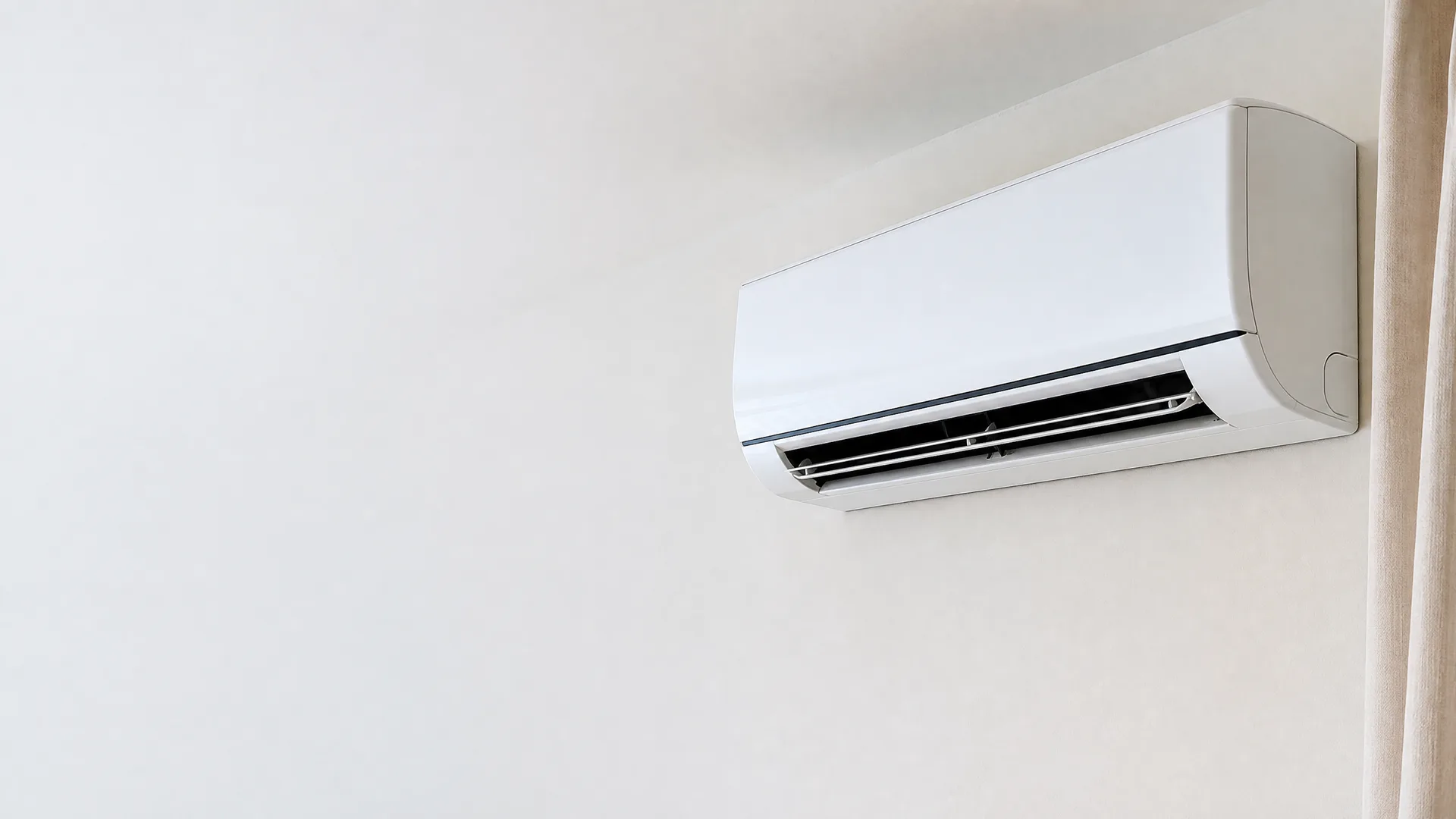
The compressor doesn't stop during defrost. It keeps running and pushes refrigerant through the reversed path so the outdoor coil can shed its frost quickly. That steady hum underneath the clunk of the reversing valve is the compressor working at close to the same load it carries during normal heating. If that hum changes pitch, grinds, or gets noticeably louder from one defrost cycle to the next, that's the compressor telling you something, not the valve.
You'll notice it most on the coldest nights, when the outdoor unit kicks into defrost and the indoor head keeps blowing air that feels cooler than you'd expect for a few minutes. That's the part people call to ask about. What's worth paying attention to is the pattern. A rattle that's there every time the system runs, not just during defrost. A buzz that gets louder over a few weeks instead of staying the same. Ice on the outdoor unit that doesn't clear after the defrost cycle finishes. Any of those mean the unit is working harder than it should to keep your rooms warm, and a system straining through January and February is the one that quits on the night you need it most.

The outdoor unit cycles through defrost on its own schedule, settles back down, and the indoor head keeps even airflow across the room. You might not hear it at all from where you're sitting.

Dust built up on the coil like this makes the unit work longer to pull the same heat out of the air. That extra strain is where the rattles and buzzing that don't go away tend to start.
At 17.15 cents per kilowatt-hour, every extra minute your mini split spends fighting frost instead of heating shows up on the bill. A unit that's cycling through defrost more than it should, or running a worn fan motor harder to compensate, costs more to run all winter.
EIA-861 2025 statewide residential average


You've pressed your ear close to the indoor head or stood next to the outdoor unit and caught the actual click, not just the hum. It sounds mechanical, like something is physically moving inside the housing. You want to know what part is making that sound before you decide whether it's worth worrying about.
The reversing valve sits on the outdoor unit, and it has a solenoid coil on top that shifts a small slide inside the valve body. When the system starts or ends defrost, that solenoid gets energized and the slide moves, and that movement is what you hear as a click or a sharper clunk. It's a mechanical part changing position, not electrical arcing or anything loose rattling around. You'll hear it twice each defrost cycle, once when the valve switches to send hot refrigerant to the outdoor coil, and again when it switches back to heating. One click per switch is normal. A valve clicking repeatedly without settling, or clicking outside of a defrost cycle, is worth having checked.

Delaware summers run humid, and the number behind that feeling is a dew point averaging 65°F across June, July and August. That same moisture shows up again come winter, when it turns to frost on your mini split's outdoor coil instead of sticking to the air. More moisture off the Bay means more frost, and more frost means the unit cycles into defrost more often to clear it. That's a big part of why you hear it working through the cold months. Source: NOAA climate normals.
NASA POWER T2MDEW county cells weighted by homes

A whoosh when the valve shifts, a fan that slows during the cycle, a few minutes of cooler air from the indoor head: that's your mini split doing what it's built to do on a cold Delaware night. It comes back down on its own and you don't have to touch it. A rattle that stays, a buzz on every single run, or a clunk on a mild afternoon when there's no frost to clear is a different thing, and it won't fix itself by spring.
If what you're hearing falls into that second group, the next step is getting someone who works on these units through a Delaware winter to look at yours specifically. You'd be matched with one licensed local contractor, not a handful of companies competing for the call, and that contractor reaches out to you knowing what tends to fail in units running this hard against the cold and the moisture off the Bay. You'll know soon enough which kind of noise you've got, and what to do about it if it's the second kind.


No charge to send it. You decide if you hire them.
A mini split that's grinding or rattling through its third cold snap this winter won't fix itself by spring. Getting it looked at now, while you can still point to exactly when the noise shows up, makes it easier for whoever shows up to find the cause fast.