









What a mini split tune-up covers in Delaware

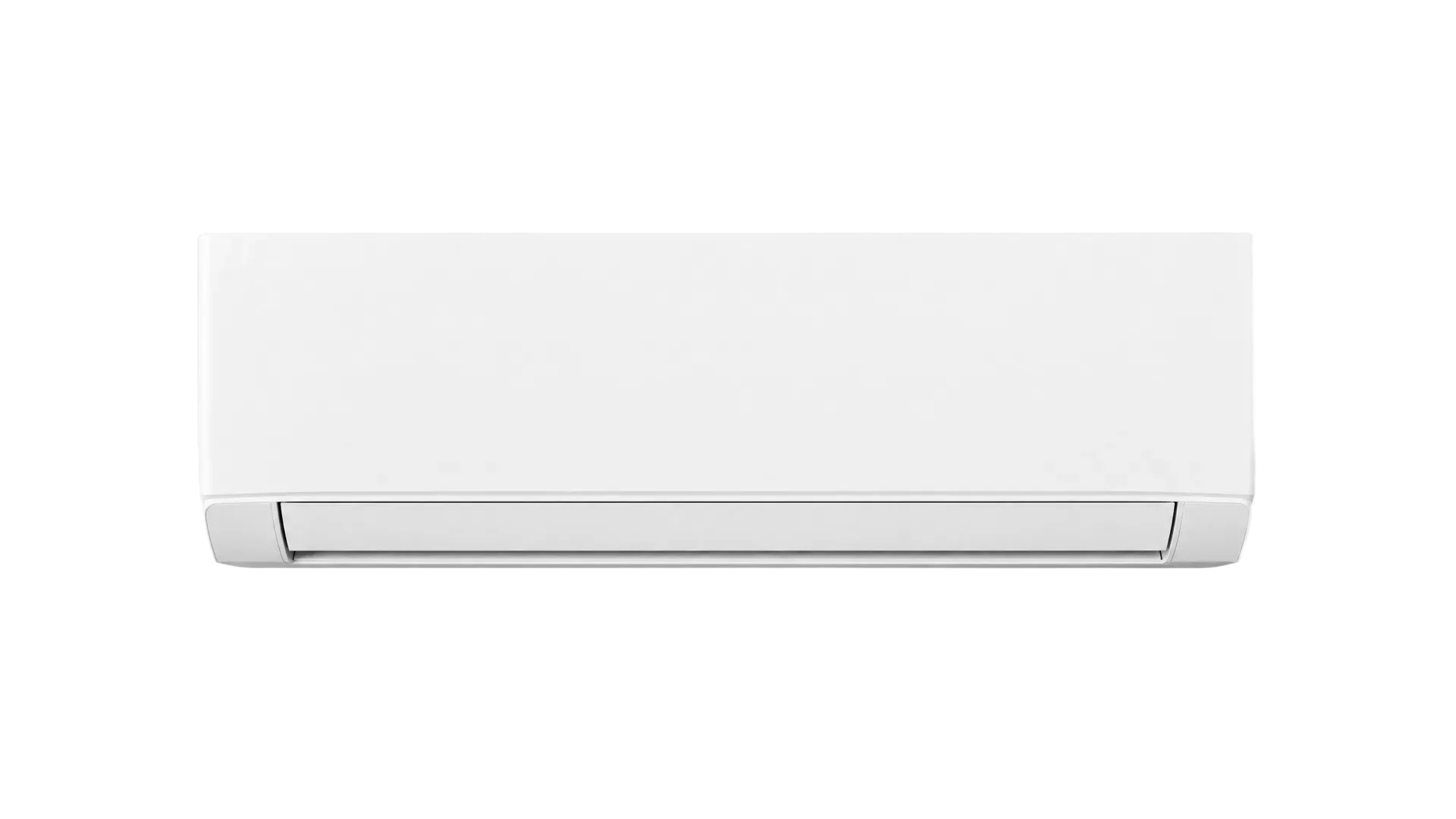
A white wall-mounted mini-split air conditioner indoor unit shown straight-on against a plain light gray background.
Skip calling around

A mini split tune-up covers cleaning the indoor head's filters and coil, checking the outdoor unit's coil and fan, checking refrigerant levels, and testing that the system actually hits the temperature you set it to. The tech also checks the condensate drain, since a clogged one backs up and drips inside the house. Your summers here get sticky, and a mini split that's low on refrigerant or running a dirty coil has to work harder to pull that moisture out, which shows up as a higher power bill since electricity isn't cheap in Delaware. Most homes here heat with gas, but if your mini split handles any heating too, the tune-up checks that side as well. None of this is a repair visit. It's the maintenance that catches a weak capacitor or a failing fan motor before it leaves you without cooling in August.

A white wall-mounted mini-split air conditioner unit installed high on a light gray interior wall near the ceiling, with a white-framed window and green foliage visible at the left edge.
A clean mini split like this one moves air the way it's supposed to, keeping the room at the temperature you set without running longer than it needs to.
A dusty white wall-mounted mini-split air conditioner installed high on a beige interior wall below a molded ceiling trim.
A clogged, dusty unit like this one has to work harder to push air through, and that strain shows up on your power bill before it shows up as a breakdown.

What the Tech Actually Checks

  • The tech pulls the indoor head's cover off and slides out the filters by hand, not just a wipe-down.
  • A dirty blower wheel gets brushed or flushed, since it throws air around the coil and loses its grip when caked with dust.
  • Outside, the coil fins get rinsed to clear whatever's built up from pollen and summer humidity, so heat can actually leave the refrigerant.
  • The tech checks the line set insulation where it runs between the indoor and outdoor units, since a gap there sweats and wastes the compressor's work.
  • A clamp meter on the compressor's wires shows whether it's pulling the amperage it should, which flags a failing capacitor before it strands you without cooling.
  • The condensate pump or drain line gets tested with water poured in, so a clog shows up now instead of as a wet wall in July.

A mini split moves heat, it doesn't make cold air, so most of what goes wrong traces back to something blocking that transfer. The indoor head pulls air across a filter, then a coil, then a blower wheel that pushes it back into the room. Each of those can choke with dust on its own schedule, which is why the tech pulls the cover and checks all three by hand instead of eyeballing the unit from across the room. Outside, the compressor and the coil are doing the harder work, squeezing refrigerant and shedding the heat that got pulled from inside. Pollen and the humidity Delaware summers bring cake onto those fins over a season, and caked fins can't shed heat the way clean ones do. Between the two units runs a line set, insulated so the refrigerant stays at the right temperature along the way. If that insulation has split or pulled back anywhere, the line sweats, and the compressor ends up working to make up for heat it's picking up that it shouldn't be. The tech also puts a clamp meter on the compressor's wires, because a capacitor that's starting to go shows up as a current draw. Pouring water into the condensate line checks the easiest point of failure before it becomes a wet spot on the wall.

A woman in a cream sweater with her hair in a bun laughs while seated at a stone counter holding a glass of red wine, in a dimly lit interior with a sofa, houseplants and a large window at night.
A woman with long dark hair in a cream knit sweater laughs while looking off to the side, seated in front of a dimly lit kitchen with an island, stools, open shelving and a potted plant, with a glass of red wine in the foreground.
A smiling woman with long dark wavy hair in a light knit sweater sits at a marble counter with a glass of red wine, with a dimly lit living room and kitchen in the background.
A smiling woman with long wavy brown hair in a beige sweater sits at a white marble counter with a glass of red wine, with a living room, dining table and kitchen cabinets behind her.

No phone calls to make

Only one pro gets your request, so you hear from one company.

Asking costs nothing, and the choice to hire stays yours.

A dirty filter or coil makes the indoor head's blower spin faster to push the same amount of air, and that blower is what draws most of the electricity a mini split uses.

With power costs what they are in Delaware, a unit straining to move air through a clogged filter runs up the bill before it ever fails outright.

A dusty white wall-mounted mini-split air conditioner indoor unit installed high on a beige interior wall below a white ceiling and trim.
Before you get your mini split maintenance
A white wall-mounted mini-split air conditioner installed near the ceiling on a light-colored interior wall, with a window and green foliage visible at the left edge.
After you get your mini split maintenance
A white wall-mounted mini-split air conditioner on a light gray wall in an empty room with dark wood flooring, white baseboards, a tray ceiling with recessed lights, and a window at the left.

Running clean

This is a mini split that's had its filters and coil cleaned on a schedule. Air moves through it freely, the room reaches the temperature you set, and the indoor head isn't straining to get there. Nothing on the cabinet or the vents gives you a reason to look twice.


A wall-mounted mini-split air conditioner indoor unit with a yellowed plastic casing and dark horizontal vent louvers, installed on a plain light-gray wall.

Running dirty

Dust has built up on top of the unit and dark residue rings the vents. Air has to push through that buildup to reach the room, so the blower spins harder for the same result. Left alone, that residue keeps collecting and the strain doesn't let up.

Why does your mini split feel like it's not keeping up

You set it to 70 and the room sits at 74. The head runs long stretches and never seems to shut off, even overnight. Up close you might notice a musty smell when it kicks on, or a thin layer of dust on the louvers you can see without opening anything. Some homes notice water where it shouldn't be, a drip from the indoor unit or a damp patch on the wall below it, which usually means the condensate drain isn't clearing right. None of this is dramatic on its own. But a unit that runs long to chase a temperature it used to hit easily is pulling more power to do it, and with what electricity costs in Delaware, that difference shows up on the bill before it shows up anywhere else.

A smiling bearded man in a navy crewneck sweater sits at a dinner table with a glass of red wine, plates and glasses in the foreground, in a dimly lit room with a lamp and framed picture behind him.
A woman in a dark gray sweater reclines on a light sofa with eyes closed and a slight smile, under a textured gray blanket with an open book resting on her lap, with a lit table lamp and plant in the background.

Power costs 17.15 cents per kilowatt-hour statewide

At 17.15 cents per kilowatt-hour, every extra hour your blower runs shows up on the bill. A mini split that's clogged pulls more power to move the same air, so keeping the filters and coil clean is what keeps that draw down.

EIA-861 2025 statewide residential average

  1. Tech checks the indoor head's filters and coil for buildup

  2. Filters come out by hand for a real cleaning

  3. Blower wheel gets brushed or flushed clean of dust

  4. Outdoor coil fins get rinsed clear of debris

A closed dark laptop and a ceramic mug of coffee on a wooden dining table, with wooden chairs, a dark kitchen cabinet with cutting boards and a potted plant, and a leafy plant by a window in the background.

A mini split tune-up keeps that head from working harder than it should

Clean filters, a clear coil, the right refrigerant charge, a drain that runs free, and a system that actually hits the temperature you set. That's the whole job. Skip it and the blower strains to move air through dust, which is the part of the unit pulling most of your power.

Finding someone to do this isn't the hard part, but it can eat an evening you'd rather spend on something else: searching around, calling a few companies, explaining the same thing about your unit three times, then sitting with quotes trying to tell them apart. This connects you to one licensed Delaware contractor who works on mini splits all season and already knows what tends to fail on them. No pile of calls to sort through, just the one.

A gray upholstered sofa with a matching cushion sits beside a potted plant and a wooden table holding a small green plant in a stone pot, near a curtained window.
A single-story stucco house at dusk with a lit paver walkway lined by low path lights, desert plants and boulders in front, and distant mountains under an orange and blue sky.

Mini Split Maintenance

One form, no calling around

Step 1 of 3: Equipment
  • A dimly lit living room corner with a beige upholstered sofa holding a dark green cushion and a chunky knit throw, beside a wooden sideboard with a lit ceramic table lamp, a small potted plant, and a wooden bowl, with a framed artwork on the wall and a mug on a book in the foreground.
    • A local pro who services mini splits gets in touch about the tune-up.
    • Say what's going on with your mini split, and a pro who works on them reaches out.
  • A round wooden coffee table holding a round stone vase of green foliage, a lit candle in a glass container, and a small dark bowl, with a beige sofa, cushions and knit throw behind and a window at left.
    • Send the form, and lining up the mini split tune-up stops being yours to chase.
    • Send the form and the mini split tune-up stops being something to remember.
  • Sunlit living room with a wooden coffee table holding a ceramic vase of leafy branches and a carved wooden tray with two stacked books, in front of a beige sofa with tan and green cushions and a potted plant near a window.
    • Fill out one short form instead of calling around.
    • Explain the job once and skip repeating it on every call.
  • Interior corner with a lit ceramic table lamp and wooden bowl on a wood sideboard, a framed picture and branch-filled vase behind, a knit throw over an upholstered chair, and a lit candle in a glass holder, stoneware mug and round planter of green foliage on a wooden table in the foreground.
    • A licensed local pro takes the request for your mini split tune-up.
    • Your request goes to one pro, not a list of companies.